10 Psychology Facts About Introverts
A deeper look into what they truly feel
Not everything quiet is empty.
And not everything loud is meaningful.
Introverts are often misunderstood—not because they are complicated, but because they don’t always express themselves in ways the world expects. In a space that constantly rewards visibility, speed, and noise, introverts move differently. More slowly. More intentionally. More inward.
This is not just a list of traits.
It’s a closer look into how they experience the world—quietly, but deeply.
1. Introverts don’t open up quickly
They take their time before letting people in.
Before forming a connection, they observe—how you speak, how you react, how you treat others. This isn’t hesitation; it’s discernment. For introverts, emotional safety matters more than instant chemistry.
Connection, for them, is never rushed. It is chosen.

2. They enjoy being alone
Because solitude feels more honest than forced company.
Being alone is not a sign of isolation—it’s where they recharge, reflect, and return to themselves. In stillness, they find clarity. In quiet, they feel grounded again.
What looks like distance is often restoration.
3. They don’t talk much
But their minds are constantly active.
Introverts process internally. While conversations happen externally, thoughts are unfolding beneath the surface—analyzing, connecting, understanding. Words are not withheld out of emptiness, but out of intention.
When they speak, it usually means something.
4. They dislike small talk
And prefer conversations with depth.
Surface-level exchanges can feel draining. Introverts are drawn to meaning—conversations that reveal something real, something honest. They don’t seek more interaction, they seek better interaction.
Something that stays, even after it ends.
5. They may appear calm
But they feel things deeply.
Their emotional world is rich, even if it isn’t always visible. They don’t always express what they feel outwardly, but that doesn’t make it any less intense.
They simply carry it quietly.
6. They trust very few people
But when they do, it’s genuine.
Trust is built slowly, through consistency and time. It is not given lightly—but once it exists, it tends to be steady, loyal, and long-lasting.
With introverts, trust is not frequent.
But it is real.
7. They observe more than they speak
And often understand more than they show.
Introverts notice details others might miss—the shift in tone, the pause in conversation, the unspoken tension. They listen not just to words, but to what exists between them.
While others express, they interpret.
8. They don’t chase attention
Yet their presence is often felt.
There is a quiet confidence in not needing validation. They don’t try to stand out, and because of that, they often do—naturally, effortlessly.
Their presence isn’t loud.
But it lingers—much like a scent that stays close, not to be noticed immediately, but to be remembered.
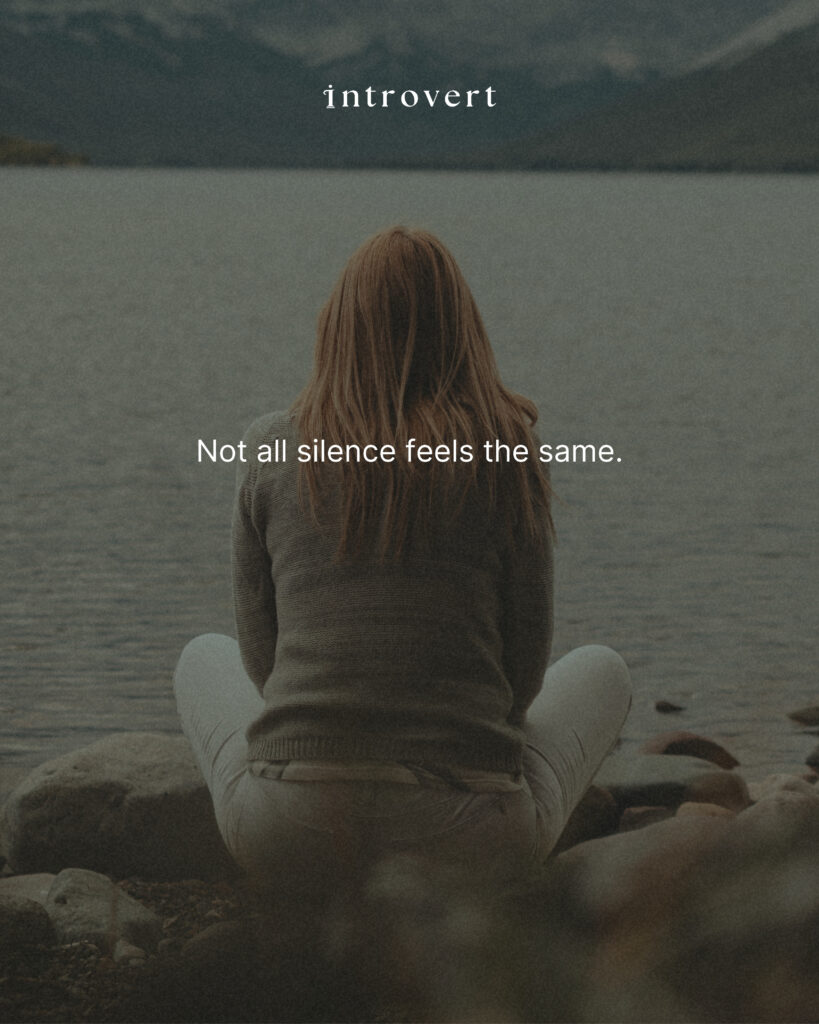
9. They need time alone to recharge
Because social energy drains them differently.
It’s not about disliking people. It’s about energy management. After social interaction, introverts often need space to reset, to return to their baseline.
Solitude, for them, is not optional.
It’s essential.
10. They don’t react immediately
They pause, then respond with intention.
Rather than reacting impulsively, introverts tend to process first. They take a moment to understand before they speak.
And because of that, their responses often carry more clarity, more weight, and more meaning.
In the End
Introverts are not distant.
They are not cold.
They are not less.
They are simply quieter in how they exist—
and deeper in how they experience.
Some presences don’t need to be loud to leave an impact.
They stay in subtler ways—felt more than seen, remembered more than noticed.